A practice 2 min read
Gongfu Cha
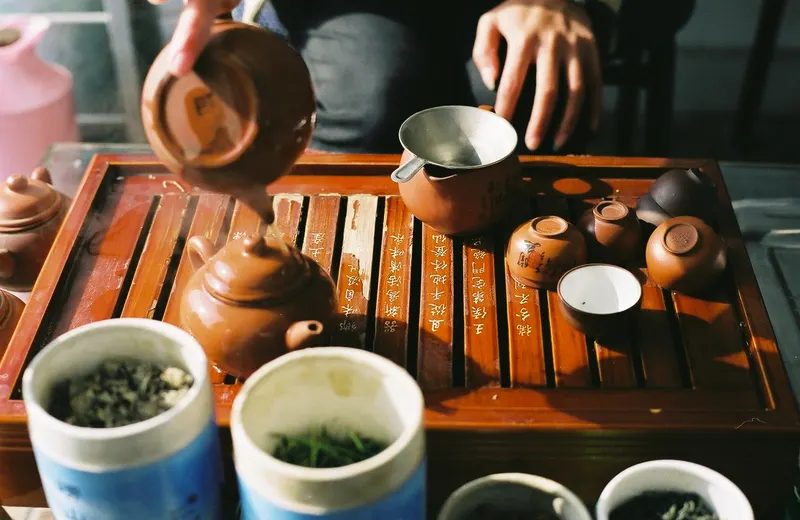

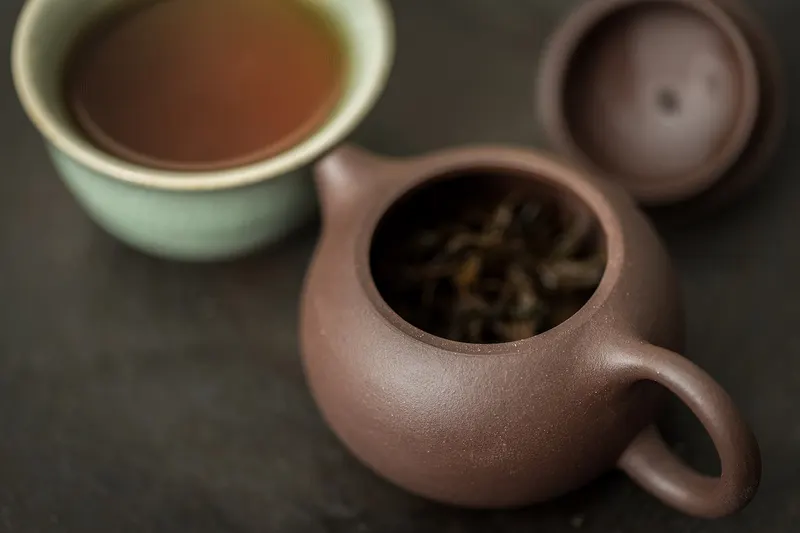
Tea made with skill: a small pot, a lot of leaf and short infusions, poured again and again, each a little different from the last.
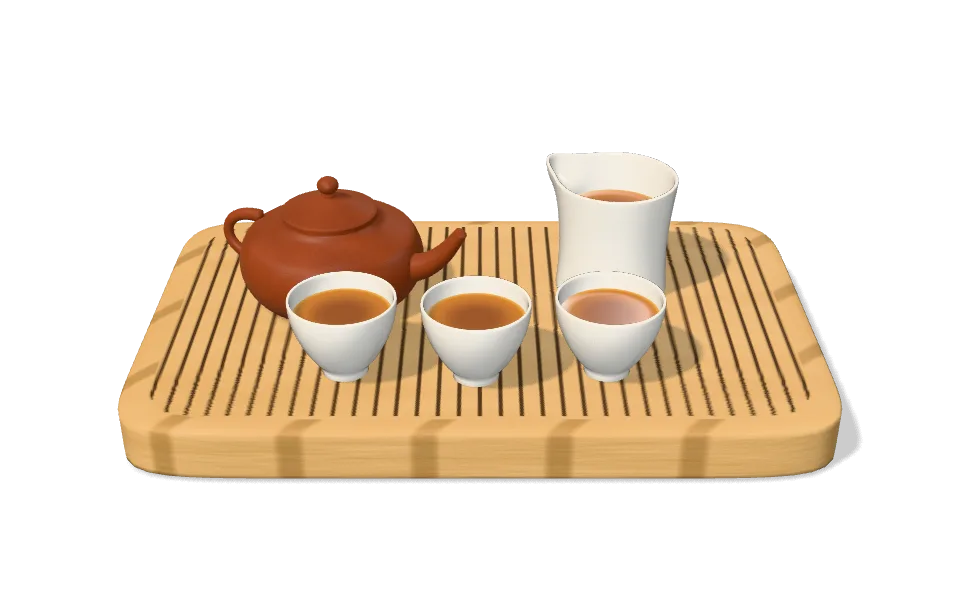
What you need
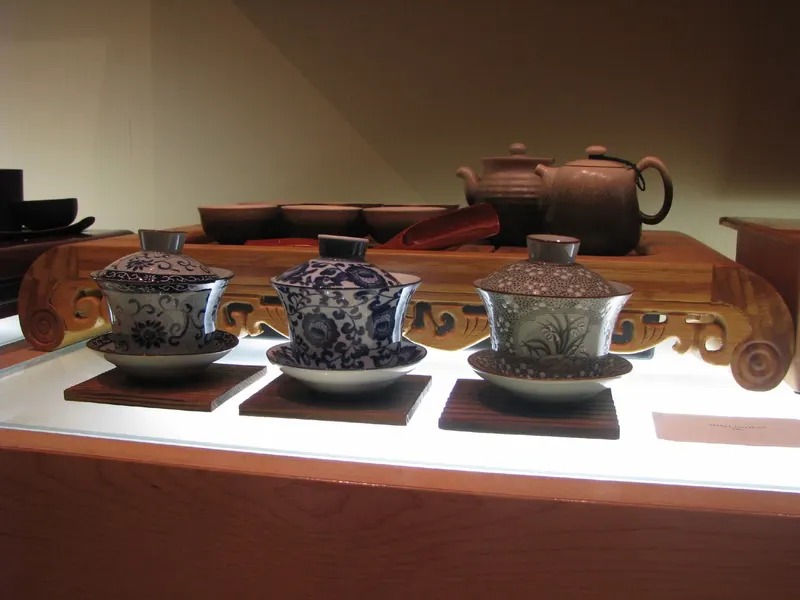

- A small pot (100 to 150 ml) or a gaiwan, a lidded bowl.
- A fairness pitcher, so every cup is the same strength.
- Small cups, a strainer and a tray to catch the water.
- A kettle you can hold at temperature.
How it goes

- Warm everything with boiling water and pour it away.
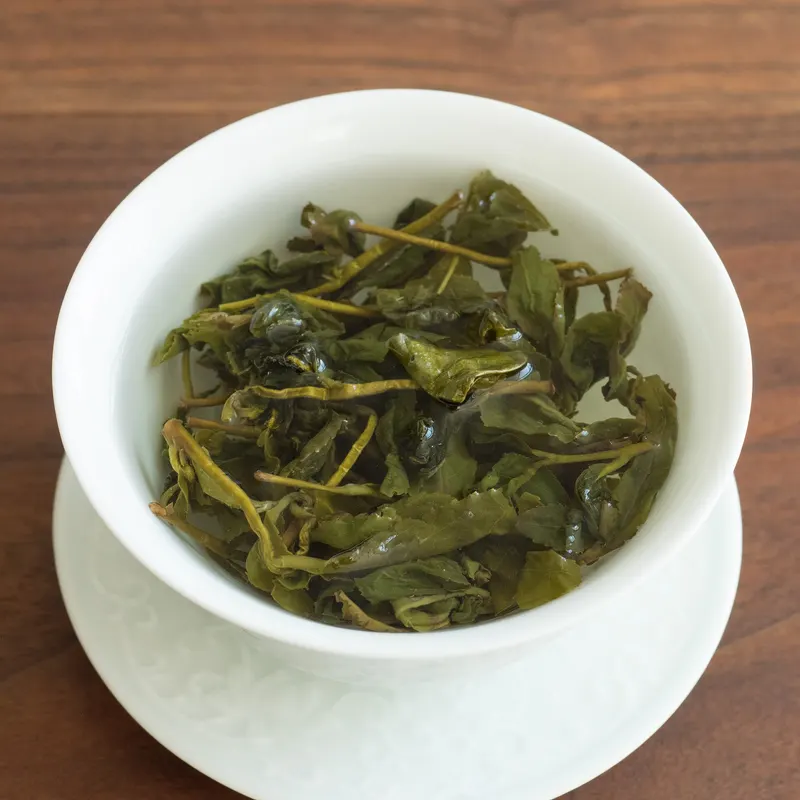
- Put in about 5 to 6 g of leaf for every 100 ml: far more than for a teapot.
- Rinse pressed or rolled teas: a few seconds’ water, poured away, wakes the leaf.
- Brew the first infusion short, 10 to 20 seconds, and pour it all out into the pitcher.
- Add a few seconds each time. A good oolong gives eight infusions, a good pu-erh a dozen.
- Note how each one changes. That is the point of the thing.
Why so much leaf and so little time

A long brew of a little leaf pulls everything out at once, bitterness included. A short brew of a lot of leaf takes the tea apart in layers: the aroma first, then the body, and late on a sweetness that comes back in the throat after you swallow, which the Chinese call huigan.
The tea
Oolongs and pu-erh above all, but any whole-leaf tea will repay it.